Downspout Cleaning & Repair in Green Bay, WI
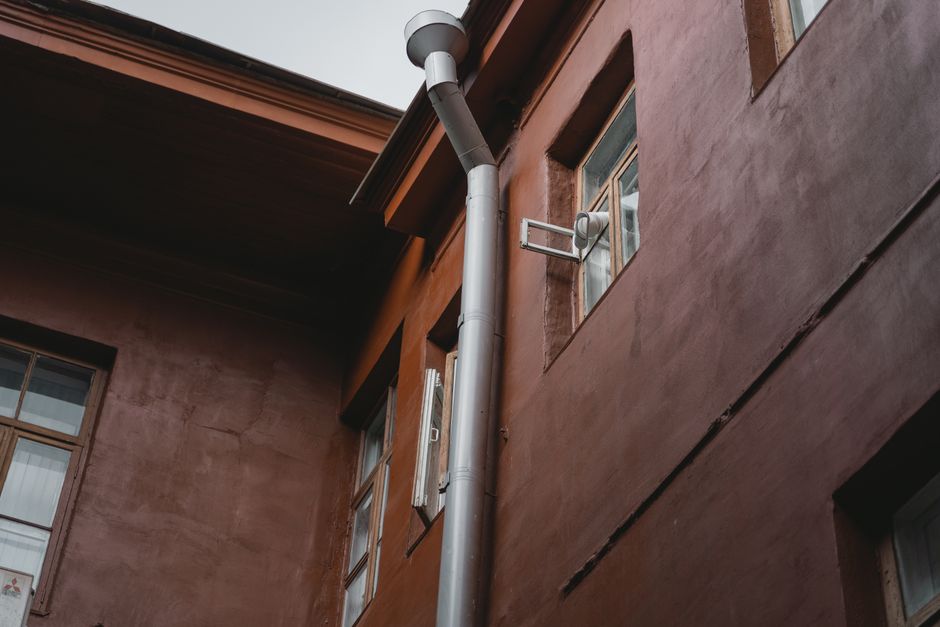
A gutter can be completely clear and still send water straight toward a foundation if the downspout carrying that water away isn't doing its job. Downspout cleaning and repair covers clearing clogs, fixing leaks, and correcting drainage so water actually ends up away from the house instead of pooling around it. This page covers why downspouts matter as much as the gutter channel itself, the problems that show up most often, what cleaning and repair typically involve, and the warning signs worth watching for.
Why Downspouts Matter as Much as the Gutters Themselves
Downspouts are the vertical sections of a gutter system that carry water from the gutter channel down to ground level and, ideally, well away from the foundation. When a downspout is clogged, disconnected, undersized, or simply discharging too close to the house, water pools right where Wisconsin's clay soil and freeze-thaw cycles can do the most damage — expanding cracks in a foundation, pushing moisture into a basement, and eroding the landscaping around a home.
A gutter system is only as effective as its weakest downspout. Gutters that are perfectly clean and properly sloped can still cause water damage if the downspout at the end of the run isn't moving that water far enough away from the house.
Common Downspout Problems
- Clogs from compacted leaves, seed pods, or debris that made it past the gutter channel and settled inside the downspout itself
- Downspouts disconnected or knocked loose from wind, ice buildup, or snow sliding off the roof
- Elbows and joints leaking at the seams, often worsened by repeated freeze-thaw cycles
- Downspouts discharging too close to the foundation, sending water back toward the house instead of away from it
- Undersized downspouts on homes with larger or steeper rooflines, unable to keep up with heavy spring thaw runoff
What Downspout Cleaning and Repair Typically Involves
Cleaning clears blockages from the full length of a downspout, not just the visible opening at the top, and flushes the line to confirm water moves freely all the way to the outlet. A downspout can look clear at the top opening while still holding a compacted clog several feet down, so checking the full run matters more than a quick glance from the ground.
Repair covers reattaching loose or detached sections, resealing leaking joints and elbows, and replacing damaged lengths of downspout as needed. A downspout that has pulled away from the wall or rattles in the wind is usually a straightforward fix rather than a sign the whole system needs replacing.
Drainage correction addresses a downspout that's discharging too close to the foundation. Extending it with additional downspout sections, a splash block, or underground drainage piping moves water further from the house — an especially relevant fix given how Green Bay's clay soil holds water near the surface through freeze-thaw cycles. For a closer look at the extension options available, see downspout extension options.
Signs a Downspout Needs Attention
- Water visibly pooling at the base of a downspout after rain
- Staining or erosion in the soil or landscaping directly below a downspout outlet
- A downspout that rattles, hangs loose, or has visibly pulled away from the wall
- Water flowing over the top of the gutter near a downspout connection instead of draining down through it
- Basement dampness or a damp foundation wall on the side of the house where a downspout discharges
A closer rundown of what these signs typically point to, and how they connect to specific downspout failures, is covered in common downspout problems.
How Often Downspouts Need Checking
As a general industry standard, downspouts hold up better when they're checked on a seasonal schedule rather than only after a visible problem shows up — commonly in late fall, once the last of the leaf drop has cleared the roofline, and again in early spring, after the heaviest snowmelt has worked its way through the system. Checking a downspout at those two points catches most clogs and loose connections before they turn into standing water at the foundation or a full section pulled away from the wall.
That schedule is a general guideline rather than a fixed rule for every property — homes with heavy tree cover, steep rooflines, or a downspout that's clogged before may benefit from more frequent attention, while a simpler system with little debris exposure may go longer between checks without issue.
How Downspout Issues Connect to the Rest of the Gutter System
Downspout trouble is often the real cause behind a problem that looks like something else. Overflow that seems to come from a clogged section of gutter may actually be a blocked downspout backing water up the line — the gutter itself never fills past capacity locally, but the water has nowhere to go once it reaches the downspout opening, so it spills over well before it gets there.
This is one reason a downspout shouldn't be assessed in isolation from the rest of the gutter system. A downspout that keeps clogging in the same spot, for example, might be catching debris that a poorly maintained upstream gutter section is feeding it — in which case gutter cleaning upstream reduces how often the downspout itself needs attention. And once water finally exits a downspout, where it goes next matters just as much as how it got there; where clogged gutter water actually goes covers what happens to that water once it leaves the system and why the destination matters for a Wisconsin home's foundation and landscaping.
Downspouts are also the part of the system most exposed to physical damage — ice sliding off a roof edge, a ladder leaned against the wrong section, or a snowblower chute catching the bottom elbow can all knock a section loose in ways that have nothing to do with debris or age. That's a different category of problem than a clog, but it shows up with some of the same symptoms (water pooling at the base, a section hanging loose), which is part of why sorting out downspout issues from gutter issues from physical damage benefits from a full look at the system rather than a guess based on where water happens to be pooling.
For a system-wide gutter installation from the ground up, see gutter installation; for the gutter channel side of routine maintenance, see gutter cleaning.
To get a downspout issue looked at, request a quote and describe what's being seen — pooling water, a loose section, or overflow near a specific downspout — so the right fix can be scoped ahead of time.