Gutter Guards and Ice Dams in Wisconsin
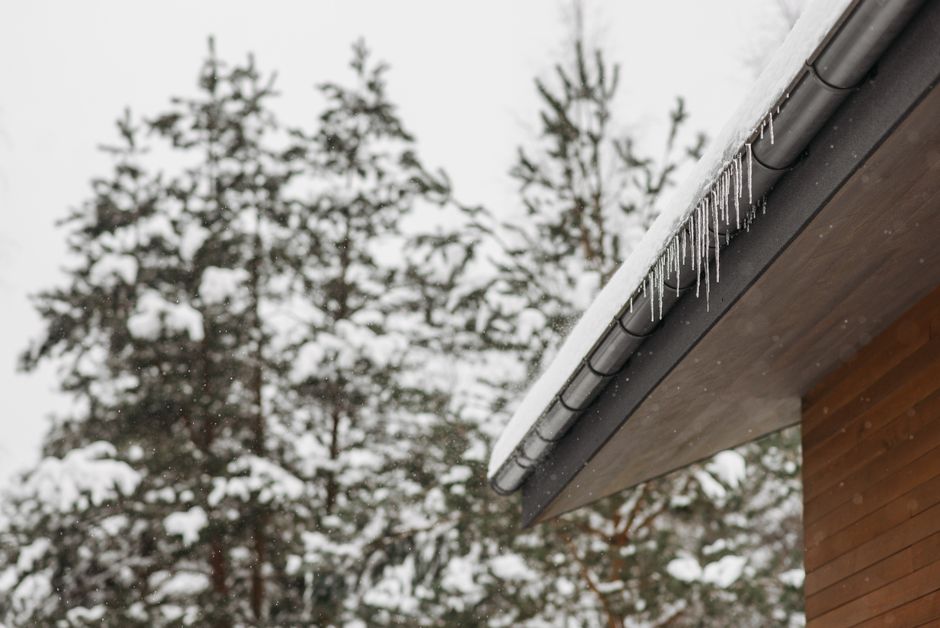
Wisconsin winters raise a question that doesn't come up in milder climates: do gutter guards help with ice dams, hurt with ice dams, or have nothing to do with them at all? The honest answer is a bit of all three, depending on the guard type and what's actually causing the ice dam in the first place. For the general mechanics of how ice dams form and why clogged gutters make them worse, see how clogged gutters cause ice dams — this article focuses specifically on where guards fit into that picture.
What Guards Can Help With
One contributing factor to ice dam severity is a gutter channel that's already clogged with debris going into winter. A clogged channel holds meltwater in place rather than letting it drain, and that trapped water is more likely to freeze and add to an ice ridge forming at the eave. By keeping leaves and debris out of the channel in the first place, a well-fitted guard reduces this specific contributing factor — less debris in the gutter generally means less water pooling and refreezing inside the channel itself.
That's a real, useful benefit. It is also a limited one, because debris-in-the-gutter is only one piece of how ice dams form.
Where Guards Don't Help
Ice dams are fundamentally a heat-loss problem, not a debris problem. They form when warm air escaping from an attic heats the underside of the roof deck enough to melt snow on the upper portion of the roof, which then refreezes when it reaches the colder eave overhang. That refreezing is what builds the ice ridge, and it happens whether or not the gutter below is clean, guarded, or removed entirely. Attic insulation and ventilation drive that mechanism — a gutter guard sitting several feet below the eave has no effect on how much heat is escaping through the roof deck above it.
In other words, a property with poor attic insulation can still develop a serious ice dam with guards installed and the gutters spotless underneath. Guards address a contributing factor at the eave, not the root cause on the roof.
Where Certain Guard Types Can Make Things Worse
This is the part of the guards-and-ice-dams question that's worth being direct about, because it's real and well documented in the trade, not a scare story: some guard designs can actually work against ice dam prevention in specific conditions.
A solid surface-tension guard, or a mesh guard where snow bridges across the surface rather than falling through, can create a shelf where snow and ice accumulate on top of the gutter rather than shedding into the channel below. If that buildup forms before the guard's surface warms enough to shed it, ice can pack against the eave in a way that's similar to — or in some cases adds to — the ice ridge already forming from roof heat loss. The guard isn't causing the underlying heat-loss problem, but it can change how ice accumulates at the edge of the roof compared to an open gutter, and in some conditions that change isn't a favorable one.
This doesn't mean every guard type behaves this way, or that guards are a bad choice in a cold climate generally. It means guard type and installation detail matter more in a climate like Wisconsin's than they would somewhere that never sees a hard freeze, and it's worth discussing directly with whoever is installing the system rather than assuming every guard performs identically in winter conditions.
Putting It Together
The practical picture looks like this:
- Guards can reduce one contributing factor to ice dams — debris trapped in the gutter channel that would otherwise hold and refreeze water.
- Guards do nothing about the root cause of most ice dams, which is heat escaping through the roof deck due to attic insulation and ventilation gaps.
- Certain guard types, under certain snow and ice conditions, can change how ice accumulates at the eave in a way that isn't always favorable.
- None of this is a reason to avoid guards — it's a reason to treat them as one piece of winter gutter performance, not the whole answer to ice dams.
Checking a Guarded System After a Major Snow Event
After a heavy snowfall or a hard freeze-thaw stretch, it's worth a visual check for ice or snow packed on top of a guard system, especially along stretches that get more shade or a steeper roof pitch than the rest of the house. Buildup sitting on top of a guard isn't the same as a clogged channel underneath, but it's a sign worth noting for the winter ahead, and it's useful information to have on hand if the system ever needs a closer look after a rough winter.
The Bottom Line
Gutter guards and ice dams have a real but limited relationship. Guards can help by keeping the channel itself clear heading into winter, but they don't touch the heat-loss mechanism that causes most ice dams, and certain designs can complicate ice buildup at the eave under the wrong conditions. The fuller mechanism — how clogged gutters and attic heat loss combine to form ice dams, and what actually prevents them — is covered in the article linked above. For guard-specific questions about how a given system performs through a Wisconsin winter, gutter guard installation covers what the type and installation details factor into.