Gutter Repair vs. Replacement: When Cleaning Isn't Enough
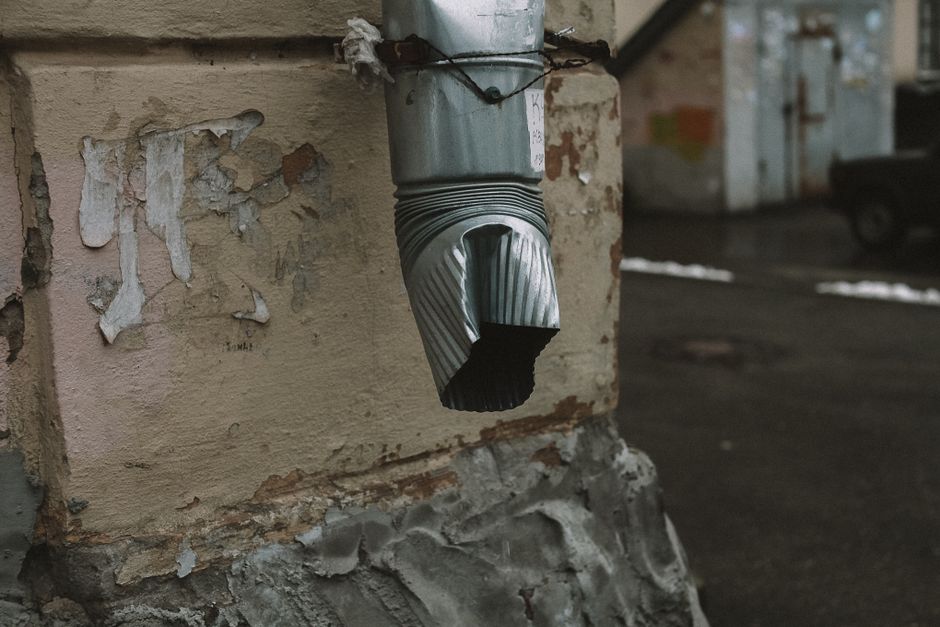
A gutter cleaning solves a debris problem. It clears leaves, seed pods, and grit out of the channel and confirms the system is draining the way it's supposed to. What a cleaning doesn't do is fix a damage problem — and mixing the two up is how homeowners end up either paying for repairs to a system that's already past the point of being worth repairing, or replacing gutters that only needed a small fix. Knowing which category a problem falls into is the real question behind "does this gutter need repair or replacement."
Cleaning vs. Repair: Two Different Problems
Cleaning and repair address different failure points. A cleaning visit removes what's sitting inside the channel and confirms water is moving through it and out the downspouts the way it should. Repair addresses damage to the system itself — a hanger that's pulled loose, a seam that's started leaking, a section pulled away from the fascia board, or a downspout that's been dented and partially blocked by impact rather than debris.
It's entirely possible for a gutter to be freshly cleaned and still be damaged. In fact, a cleaning visit is often when damage gets noticed in the first place, since clearing the debris out exposes hardware, seams, and fascia connections that were hidden under the buildup. That's a large part of why cleaning and a condition check tend to happen together — one clears the system, the other assesses it.
Signs That Point to Repair
Isolated problems are usually a repair situation. A single loose hanger, one leaking seam, a downspout elbow that's come apart, or a short section that's pulled slightly away from the fascia are all issues that affect one part of the system rather than the whole thing. Repair work in these cases means addressing the specific point of failure — resecuring hardware, resealing a seam, or replacing a short damaged run — without touching the rest of the system, which is still doing its job.
Signs That Point to Replacement
Replacement becomes the more sensible option once damage stops being isolated and starts being widespread. A few patterns tend to show up together:
- Sagging across multiple sections. When more than one run of gutter is pulling away from the fascia, it usually means the hangers or the fascia board itself are failing broadly, not in one spot.
- Rust or cracking along the length of the gutter. This shows up mainly on older steel systems and signals the material itself is reaching the end of its service life, not just suffering a localized dent.
- Repeated patches on the same section. A gutter that's been patched more than once in the same area is a sign that repair has already been tried and hasn't held — a pattern worth weighing against the cost of a new section.
- Age combined with an outdated sectional design. Older sectional systems, with more seams than a modern setup, tend to develop new leak points faster as they age.
A Simple Decision Framework
The general rule: isolated damage to one seam, one hanger, or one downspout section is a repair. Multiple problem areas, or damage that keeps recurring in the same spots after previous fixes, tips the decision toward replacement. Difficulty finding matching parts for an older or discontinued gutter profile is another factor that pushes toward starting over with a new system rather than chasing repairs on one that's aging out.
Cost plays into this too, though not in a way that reduces to a fixed number. A homeowner facing a third repair on the same twenty-foot run has to weigh that ongoing repair cost against the cost of replacing that section — or the whole system — once and being done with recurring fixes.
Getting a Clear Answer
Because "isolated" versus "widespread" isn't always obvious from the ground, an in-person look at the system is the most reliable way to sort a repair situation from a replacement one. Details like how many sections show damage, what condition the fascia is in behind the gutter, and how the hardware is holding up all matter more than how the gutter looks from a ladder's-eye view on one side of the house.
Repair, Replace, or Start Fresh
If an assessment points toward replacement rather than a repair, the next question is what a new system should look like — material, profile, and whether a seamless run makes sense for the property. Gutter installation covers what goes into putting in a new system from the ground up, once the decision has been made to move past patching an aging one.
For homes where replacement is already the direction, a common next question is how much disruption to expect. How long installation takes covers the general timeline for a typical installation job, from a straightforward single-story run to a more involved multi-story project.
The Bottom Line
Cleaning handles debris. Repair handles isolated damage. Replacement handles a system that's failing broadly or has aged past the point where individual fixes make sense. Sorting a specific gutter problem into the right one of these three categories — rather than defaulting to whichever sounds cheaper — is what actually determines whether the fix holds.