Gutter Cleaning Before Winter in Green Bay
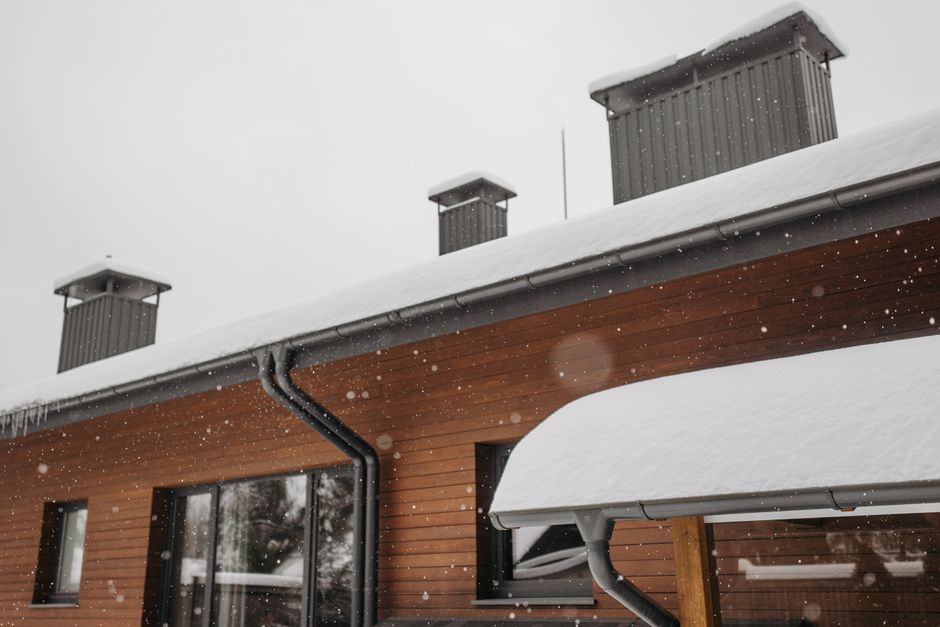
Winter Changes What a Clogged Gutter Costs You
During the rest of the year, a clogged gutter is mostly a drainage problem — water goes where it shouldn't, and it stops once the gutter is cleared. Winter changes that equation, because once temperatures drop below freezing, whatever's sitting in the gutter isn't just blocking water anymore, it's becoming part of a system that can actively damage the roofline, the fascia, and the gutter itself over the following months. That's the reason a pre-winter cleaning gets treated as more time-sensitive than a routine seasonal one.
Why the Pre-Winter Cleaning Is Different From the Rest
Gutter cleaning happens on a seasonal schedule for most homes, but the fall cleaning carries more weight than the others. Whatever's sitting in a gutter when the first hard freeze hits generally stays there, frozen in place, until spring thaw. That makes late fall — after most of the leaves have dropped but before the ground freezes solid — the narrowest and most important window of the year to get gutters cleared out.
How Clogged Gutters Contribute to Ice Dams
An ice dam forms when heat escaping through the roof melts snow on the upper, warmer sections of the roofline, and that meltwater runs down toward the eaves, where it refreezes because the eaves themselves stay colder. A clogged gutter makes this worse in a very direct way: instead of draining that meltwater away through the downspout, a gutter packed with frozen leaves and debris has nowhere for the water to go. It backs up, refreezes on contact with the existing ice, and the dam grows thicker with every freeze-thaw cycle through the winter.
A clean, clear gutter doesn't prevent ice dams from forming entirely — that's mostly a function of roof heat loss and insulation — but it removes one of the easiest contributing factors to fix. Water that can actually reach and pass through the downspout isn't backing up to feed a growing dam at the edge of the roof.
Trapped Water and Freeze Damage
Beyond ice dams specifically, standing water trapped in a clogged gutter is a problem on its own once temperatures drop. Water expands as it freezes, and a gutter full of debris and water that freezes solid puts real pressure on the gutter's seams, joints, and hangers. Over a Wisconsin winter, that freeze-thaw cycle can repeat dozens of times, and each cycle adds a little more strain to a system that's already working harder than it should because it's clogged.
Downspouts are especially vulnerable to this. A downspout that's partially blocked and holding standing water when a hard freeze hits can crack or split from the ice expanding inside it — damage that's often not obvious until spring, when water starts leaking from a spot it never used to.
What a Pre-Winter Cleaning Actually Prevents
Heading into winter with clear gutters accomplishes a few things at once: it gives meltwater and rain an actual path off the roof instead of a blocked one, it reduces (though doesn't eliminate) one of the contributing factors behind ice dam formation, and it removes standing water and debris that would otherwise sit through repeated freeze-thaw cycles all winter, straining seams and hangers along the way.
Timing It Right
The tricky part of pre-winter cleaning is timing. Clean too early and a few more weeks of leaf drop can undo the work before winter even arrives. Wait too long and an early freeze can lock debris in place before the cleaning happens at all. For most homes in this area, late October through mid-November — after the bulk of oak and maple leaves have come down but before the ground freezes — is the practical window worth aiming for.
Gutter Guards and Pre-Winter Cleaning
Homes with gutter guards aren't fully exempt from this either. Guards reduce how much loose leaf debris gets into the gutter channel itself, but fine grit, seed pods, and debris that sits on top of the guard system can still affect drainage and, in some guard designs, contribute to ice buildup along the edge. A pre-winter check is worth doing on a guarded system too, even if the cleaning itself ends up being lighter than on an unguarded gutter.
How This Fits the Rest of the Year
Pre-winter cleaning is one half of the standard twice-a-year schedule most homes should follow. How often to clean your gutters covers the full-year picture, including the spring cleaning that follows once the snow is gone. And if you're trying to judge whether your gutters are already overdue heading into the colder months, the visible signs your gutters are overdue covers what to look for from the ground.
The Bottom Line
Clogged gutters heading into winter don't just sit there harmlessly until spring — they contribute directly to ice dam formation and take on freeze damage of their own over the course of the season. A gutter cleaning timed for late fall, before the ground freezes, is the most direct way to head into winter with a system that can actually do its job.